Antwerp
Antwerp: A Global Gateway for Trade, Industry & Logistics Excellence
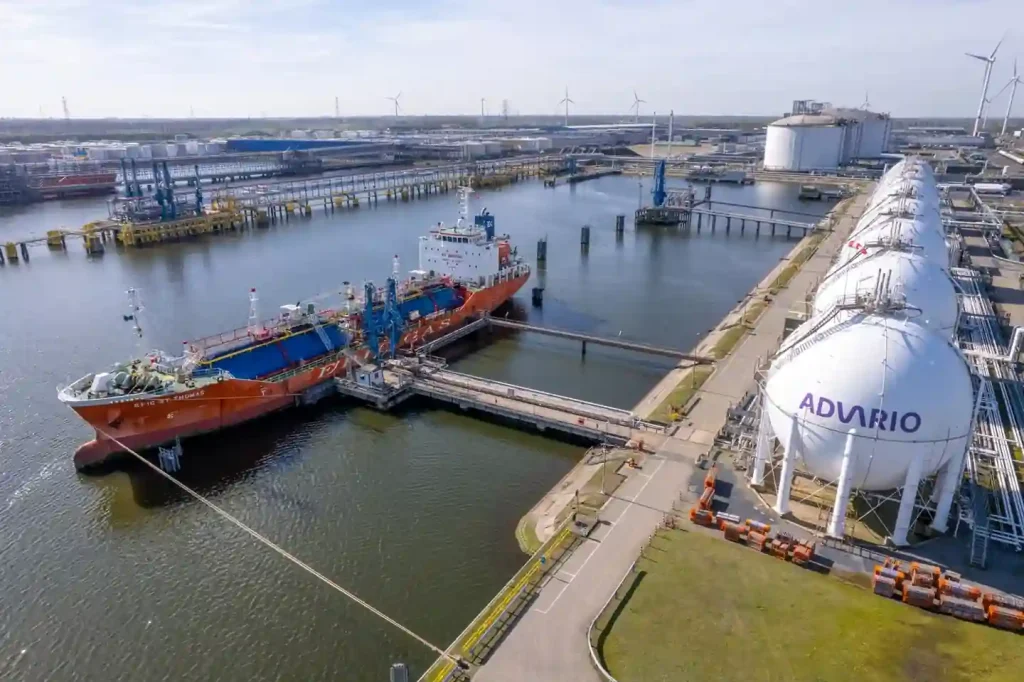
A High-Performance Maritime Hub with Unmatched Capacity
Containers
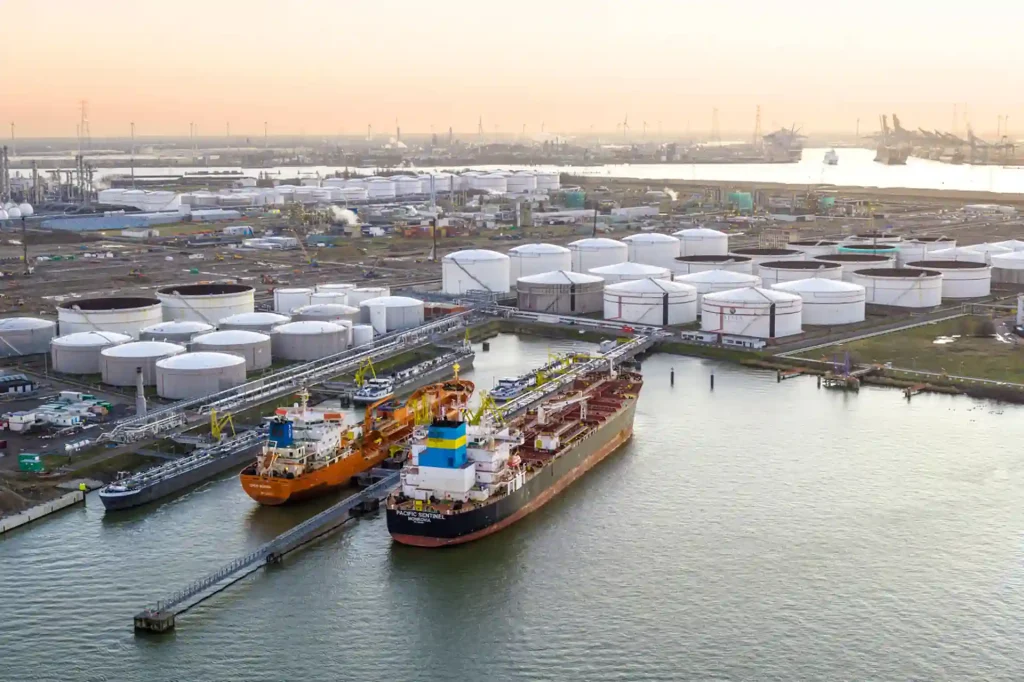
Liquid bulk (oil, chemicals, LNG, petrochemicals)
Dry bulk (ores, grains, minerals)
Ro-Ro cargo & vehicles
Breakbulk & project cargo
Antwerp’s ability to handle such diverse cargo volumes has positioned it as a key node in Europe’s logistics, distribution, and industrial supply chains, supporting sectors such as manufacturing, automotive, chemicals, construction, energy, and retail.
Europe’s Largest Integrated Petrochemical Cluster
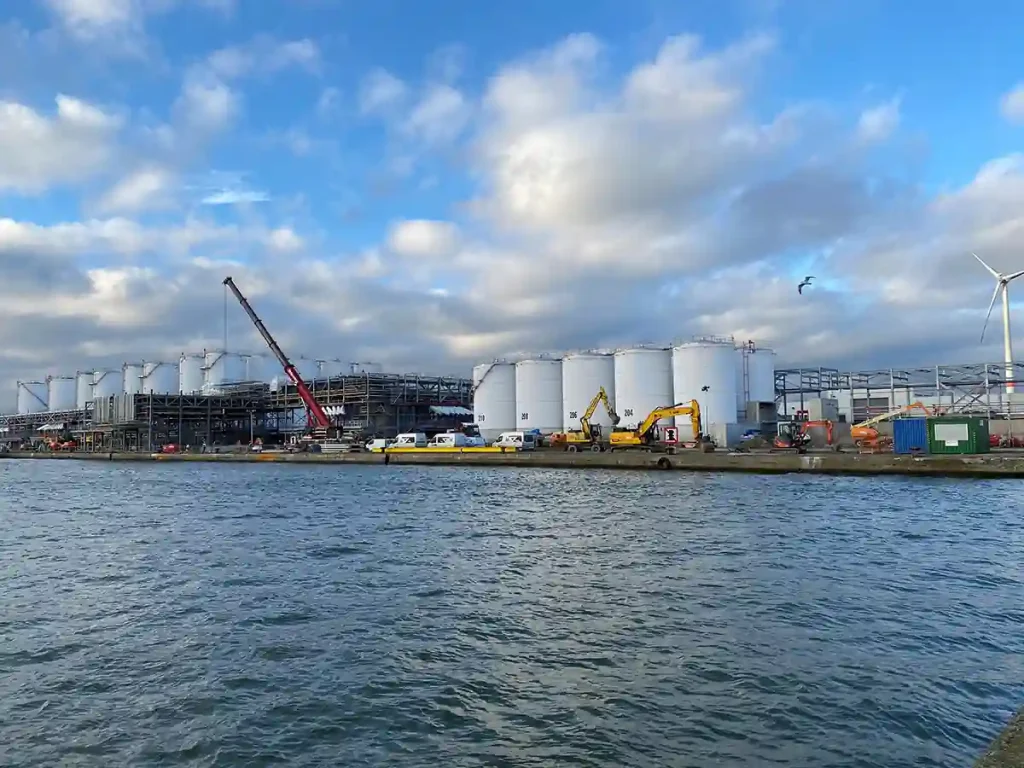
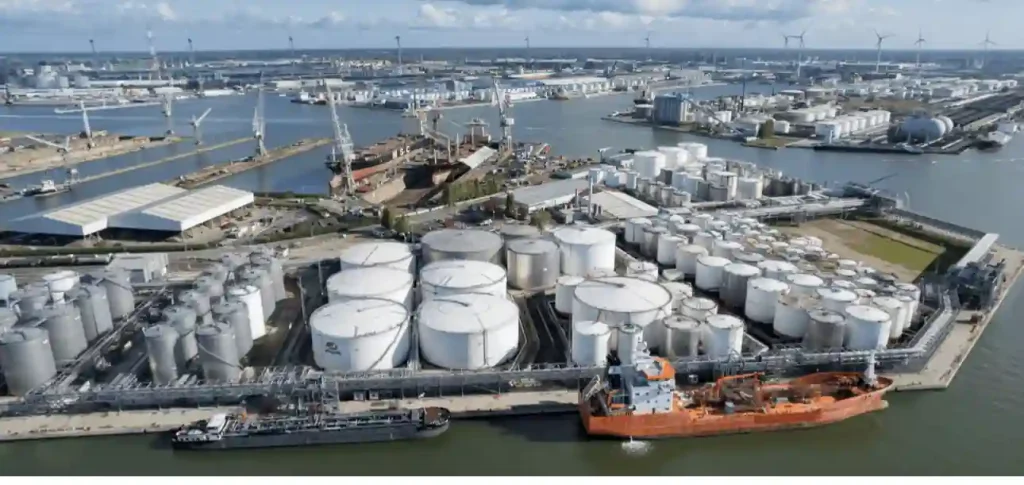
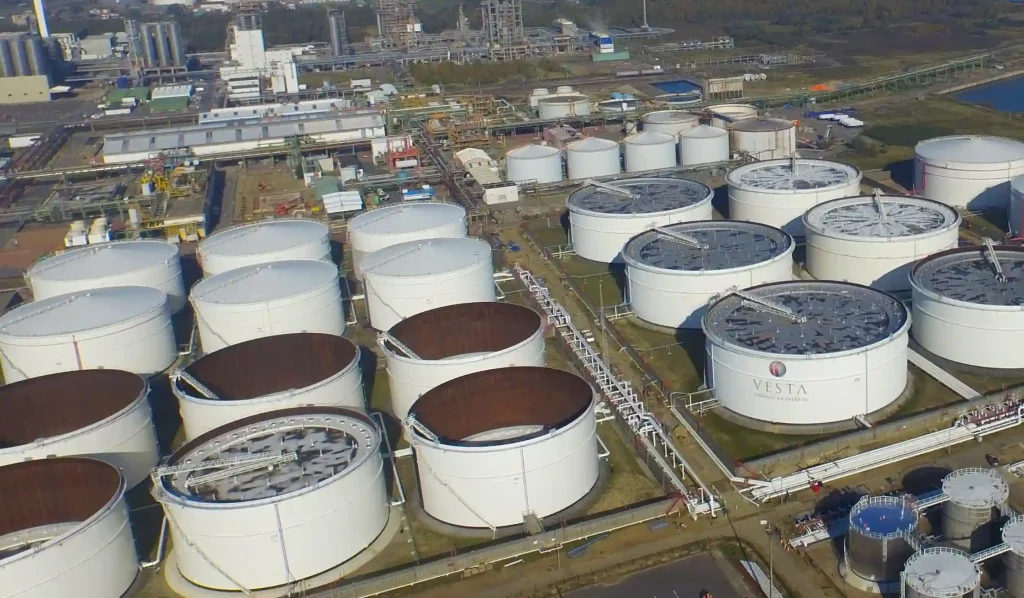
One of Antwerp’s defining strengths is its massive petrochemical and industrial complex—the largest in Europe and the second largest globally after Houston. This industrial ecosystem includes:
With global energy companies, chemical producers, and industrial operators located within the port zone, Antwerp serves as an essential processing, storage, and distribution hub for liquid bulk commodities. Its integrated pipeline network links the port to major industrial sites across Belgium, Germany, and the Netherlands, allowing efficient and sustainable transfer of fuels, chemicals, and refined products.
A Multimodal Logistics Network Connecting All of Europe
One of Antwerp’s core advantages is its robust, multimodal inland connections. The port offers seamless access to all major European markets through:
Its barge and rail connections significantly reduce carbon emissions and congestion, supporting Antwerp’s ambition to remain one of Europe’s most sustainable logistics gateways. The port’s inland navigation network alone connects it to 80% of Europe’s economic activity within 48 hours, making it a preferred logistics hub for time-critical cargo.
Innovation-Driven, Digitally Smart, and Future-Focused
The Port of Antwerp is widely known as a pioneer in maritime innovation. Its digital transformation initiatives include:
- Real-time digital twins of port operations
- AI-optimized traffic systems
- Smart quay management
- Automated terminals
- Drones for surveillance & inspections
- Blockchain-enhanced logistics documentation
The port’s ambitious sustainability roadmap includes massive investments in:
- Green hydrogen production
- CO₂ capture & storage infrastructure
- Electrification of port equipment
- Shore power systems
- Renewable energy integration
- Circular economy projects
These long-term initiatives reinforce Antwerp’s commitment to becoming a carbon-neutral port by 2050 while maintaining exceptional operational performance.
A Pillar of Belgium’s Economy and Global Trade
With billions of euros in economic output and over 140,000 direct and indirect jobs, the Port of Antwerp serves as a vital engine of national and regional prosperity. Its global connectivity, industrial capacity, and logistics expertise support businesses across Europe, Africa, Asia, and the Americas.
Through continuous expansion, modernization, and sustainability initiatives, the Port of Antwerp continues to shape the future of maritime trade—standing as a symbol of innovation, resilience, and global economic integration.